Table Of Content
- Q. How long does a whole-house surge protector last?
- Electrical Product Type
- Other good surge protectors
- The Best Surge Protectors for the Home or Office
- What are Type 1, Type 2 and Type 3 Surge Protectors?
- Is Investing in a Surge Protector a Good Idea?
- The Complete Guide to Whole House Surge Protectors: Costs, Pros & Cons, and Why You Need One

Any power strip will add extra outlets to a room, but you should really use a surge protector, which won’t let harmful power surges fry your electronic devices or start a house fire. Whole-house surge protectors are essential to keep the home’s appliances protected from unexpected power surges. A whole-house surge protector should be installed only by a qualified electrician. These surge protectors are installed on the electrical panel and therefore affect all of the incoming power to the house. If the surge protector is installed incorrectly, there could be a ripple effect of issues with the electricity throughout the home.
Q. How long does a whole-house surge protector last?
Surge protectors are not all-powerful and cannot withstand all electricity levels. Each surge protector has a joule rating indicating the highest amount of energy it can handle. For most smaller surge protectors, the maximum amount they can handle will be between 1,000 and 2,000 joules. Larger equipment might require a higher joule rating of over 2,000.
Electrical Product Type
Customers miffed at Delmarva's attitude after power surge damage - Cecil Daily
Customers miffed at Delmarva's attitude after power surge damage.
Posted: Wed, 23 Mar 2011 07:00:00 GMT [source]
When a power surge occurs, the surge protector intercepts the excess voltage and diverts it away from electronic devices. This prevents the excess voltage from damaging sensitive electronic components and ensures a longer lifespan for electronic devices. Additionally, the whole-home surge protector protects electronics from smaller surges that may not be noticeable, but can still cause long-term damage. Investing in a whole-home surge protector is an affordable way to protect all electronics in a home and ensure their longevity. These whole home surge protectors not only provide protection for your appliances and electronics, but also your entire home, ensuring that anything connected to your electrical system is protected.
Other good surge protectors
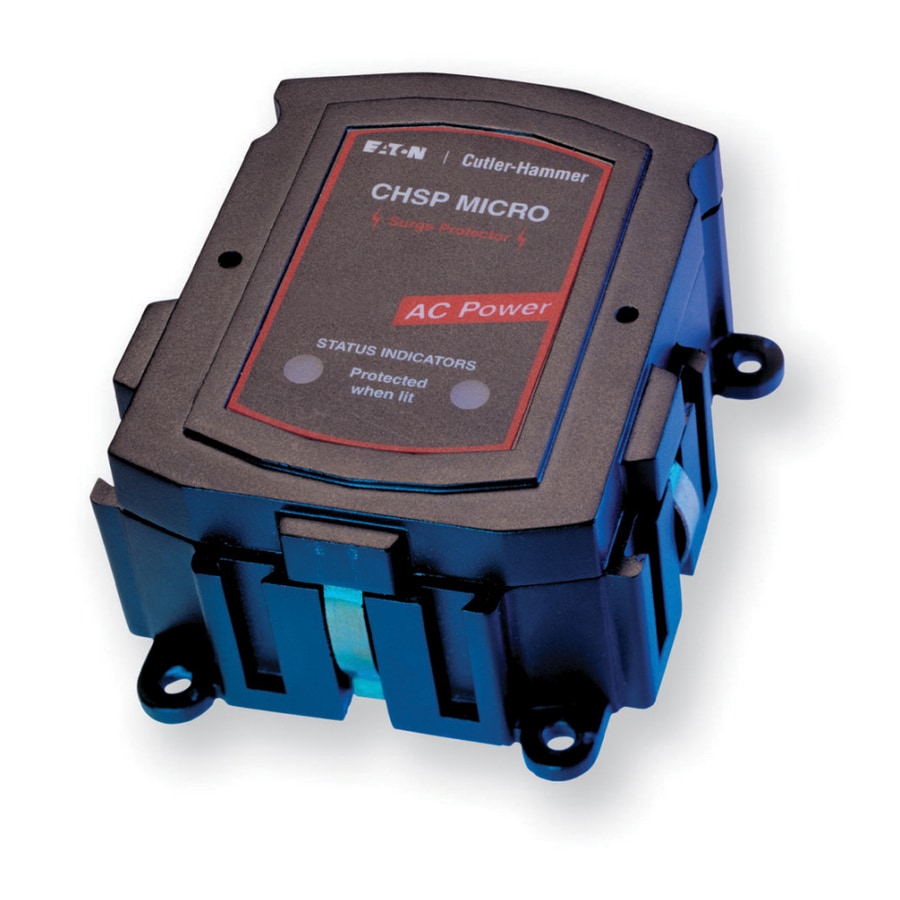
A good whole house surge protector is essential to ensuring that you and your appliances are safe in the event of a power surge. If your home theater costs more than a compact car, you may be tempted by a surge protector with series-mode capabilities, which let virtually no extra voltage through and last indefinitely. But our upgrade pick from Furman—a hybrid model that costs a fraction of what true series-mode options ask—produced similar results in our testing, so we think you should consider it first. This 12-outlet model offers great protection against household surges that come from other equipment in your home or fluctuations from the power company.
All electronic devices are susceptible to damage from power surges caused by lightning strikes, sudden spikes in voltage, and other electrical disturbances. These surges can cause extensive damage or even destroy expensive electronic devices. A whole-home surge protector is an effective solution to protect all electronic devices in a home from such surges. Whole-home surge protectors are an affordable way to protect all electronic devices within a home by providing a safety net that covers the entire property.
What are Type 1, Type 2 and Type 3 Surge Protectors?
Many manufacturers claim a life expectancy of 5 years or more, although 10 years is not uncommon. However, some low-cost devices may need to be replaced after just one significant lightning storm. If temporary loss of power is a major concern, you might want to consider a back-up generator. The maximum continuous operating voltage (MCOV) is the amount of voltage the surge protector will allow through without tripping.
In fact, a proper installation of whole home surge protectors can protect your home’s electrical outlets, plugs, switches, interior wiring, and light bulbs from harmful surges in power. Surge protectors can also ensure that more expensive electrical appliances such as air conditioners and heaters remain unharmed during a surge event. A whole-house surge protector prevents damage to the electrical wiring in a home as well as appliances, TVs, and other electronics caused by internal and external surges in electrical power.
A surge protector can protect your AC unit so you don’t void the warranty. The whole house surge protector is fully compatible with Decora Home Controls, and it comes with a ten-year lifetime warranty as well. The device is designed to divert the high voltage or energy away from the sensitive equipment within the household and it ideally suitable for apartments, homes as well as services entrances. It is quality assured product and provides excellent whole-house surge protection. If you’re looking for a low cost type 2 surge protector for your home, the Eaton CHSPT2ULTRA is a fantastic choice. The Siemens FS140 redefines whole-house surge protection, boasting UL 1449 safety certification.
It's designed with three protection modules that operate independently. It also means that you don't have to install a brand new SPD after a surge because the individual modules are easy to replace. Protection for an average house with 200-amp service will run about $500—including a couple of hours of an electrician’s labor.
The APC Essential SurgeArrest PE3WU3 is nearly identical to the SK30USB model, but it had a worse let-through voltage in our testing, allowing 350 volts through as opposed to just 291.8 volts. The Accell Power Air used to be our favorite bedside surge protector, but the latest version lacks an auto-shutoff feature. The company also claims that the PST-8’s circuit design has led to a repair-replacement rate below 0.005% since it was introduced.
Many provide similar levels of protection as Type 1 devices, but it’s important to check the specifications. Installation can be before or after service entrances and utility meter cabinets, but the case is only rated for indoors, not out. Typically, whole-house suppressors are hard-wired to the service panel, a process that takes a licensed electrician about two hours. Whole-house systems should be rated to stop a 40,000-amp surge, at minimum.
Low-power spikes might get through, but those are generally nondestructive. A whole house surge protector is a device installed in your home’s electric panel, designed to protect all appliances and electrical systems from voltage surges. When it senses an overvoltage event, it instantly diverts the excess energy to the ground wire, preventing damage to circuit boards in your devices. You can rest assured that your appliances will not be damaged by surge protectors installed at the point of use. Most power strips are equipped with standard surge protection, but some do not. Because plugs don’t protect your appliances as surge protectors do, they won’t provide adequate protection to your home.
If you buy a protector from a reputable manufacturer, it’s likely to come with some kind of warranty. Just ensure you read the fine print so you know the exact conditions that the surge protector is covered under. When power resumes after an outage or anytime the power from the electric utility company fluctuates, a surge can flow through your wiring. Surges can also occur when appliances in your home turn on and off.
These can be caused by lightning strikes or power fluctuations from high-surge events such as severe storms and grid outages. If the electricity levels get too high, certain electrical components in your home could explode. A surge protector helps by minimizing those levels, thus lessening the chances of a spike.
This whole-house surge protector comes 5-year product warranty, which is less than the competition, though you'll get up to $50,000 of coverage on connected residential equipment. Prevent appliances and electronics from damage—and potentially extend their lifespans—with one of these whole-house surge protectors. Keep in mind that the surge protector needs to work with your breaker box's manufacturer (not all do) and must be compatible with your electrical system's current. Also, if you're installing a whole-house surge protector inside a breaker box, make sure there's enough room inside to accommodate it. The amount of electrical current a surge protector can absorb is measured in kiloAmps.


No comments:
Post a Comment